• Travel and Tourism in a fast-changing world : new trends
    November 6, 2013
    Travel and Tourism in a fast-changing world : new trends

    Euromonitor International released  the 2013 World Travel Market Global Trends Report at World Travel Market (WTM), the leading event for travel and tourism globally. The report, produced for the eighth year running by Euromonitor, presents the nine key emerging travel and tourism trends in the world, looking at how the industry is developing in a rapidly changing global economic and social environment.

    The report identifies the key tourism trends set to shape the travel and tourism industry in seven regions and two core strategies:

    Americas PANKS – A New Demographic
    UK Travel Happiness Index
    Europe Next Generation Peer-to-Peer Travel
    Middle East Low-Cost Goes Upmarket
    Africa The Big Five with Your Little One
    Asia Fight for Cruise Control in China
    India The Travel Social Shake-Up
    Travel Technology Mobile Concierge
    Global Village Vacancy on Demand – Chasing the 24-hour Traveller

    Americas: PANKS – A new Demographic

    The US travel industry is targeting PANKs – ‘Professional Aunt, No Kids’ – who collectively spend billions on travelling with nieces and nephews. As of 2010, just over 42% of women in the US aged 15 to 44 were childless, as women have children later in life or choose not to have children at all. Travel firms aware of the power of PANKs’ spending can tap into this lucrative, expanding market.

    UK: Travel Happiness Index

    Brits are leading the way in Europe to find happiness above the clouds, or at least on board their flights. US-based flight meta-search website, Routehappy.com, is leading this quest for contentment. Launched in April 2013, it provides a unique measurement of customer satisfaction via its ‘happiness scores’ for airlines, helping consumers select flights based on comfort and suitability. With more than 100,000 unique visitors at launch and over 30% of visitors returning in July 2013, the site is a unique offering with the UK as its leading European source of demand. Airlines are working hard to move away from air travel being a commoditised, price and schedule-only decision. It is to be seen if other transportation modes, as well as hotels and travel retail players, will follow this model in future.

    Europe: Next Generation Peer-to-Peer Travel

    Europe continues to struggle with low GDP growth. As Europeans seek cheaper travel options to counteract continued austerity, the sharing economy offers opportunities at lower prices than ever before. The range of accommodation is very diverse, thanks to the growth of brands such as Airbnb, HouseTrip and HomeAway. TripAdvisor has embraced the concept by acquiring Flipkey, as well as listing HouseTrip and Airbnb as trusted partners for rentals. Tours, guiding and unique travel experiences are offered by sites such as Touristlink and Vayable. Car sharing services are also growing in Europe, where Avis bought car-sharing company Zipcar for US$500 million in 2013, while Blablacar.com had more than three million members in 10 European countries. The future of peer-to-peer holiday rentals depends on legislation, but is proving successful and is expected to grow.

    Middle East: Low-Cost Goes Upmarket

    Middle East travellers with a taste for the high life are seeing a few more frills on their budget airlines. Consumers in the region have a penchant for luxury. However, a surprising twist is the introduction of luxury services aboard low-cost carriers. Jazeera Airways was the first to introduce a business class in 2009, whilst keeping lower prices and achieving profitability. In 2013, Flydubai is following suit with its new business class services. Will this hybrid model expand to low cost airlines in other regions? The Flydubai experience will show us how sustainable the model really is.

    Africa: The Big Five with Your Little One

    Child-friendly safaris in Africa are becoming more popular, as more grandparents and children join in with family holidays. Hollywood hits such as Madagascar and the Lion King mean that kids around the world now want to see the ‘big five’ for real. Previously, safaris have been considered unsuitable for youngsters but safaris in Africa now avoid long game drives – which suits kids’ shorter attention spans. Multi-generational holidays in Africa could expand beyond safaris to volunteerism and more sustainable holidays, as well as cruises.

    Asia: Fight for Cruise Control in China

    It’s full steam ahead for the Chinese cruise market, which is on course to become the second largest global cruise market after the US by 2017. Cruising in China is still in its infancy, yet it is registering buoyant growth. Royal Caribbean said its Chinese passengers quadrupled from 25,000 to 100,000 between 2011 and 2012, with numbers predicted to reach 200,000 in 2013. The Chinese government has also spotted cruising’s potential and declared 2013 as Marine Tourism Year, with the latest five-year plan dictating that cruising is an industry with exciting growth potential.

    India: the Travel Social Shake-Up

    Only 12% of the Indian population is online yet Facebook claims to have 82 million users in the country, making India its third largest global market after the US and Brazil. India’s online travel agencies are prioritising social media to woo young urban consumers. The Indian Ministry of Tourism has recently started using social media to promote tourism sites throughout the country, and 70% of all four- and five-star hotels in the main cities have established their social media presence.

    Travel Technology: Mobile Concierge

    By its very nature, travel is a mobile activity – so the travel trade is using mobile devices as a sales and customer service channel and have developed mobile concierge services. Travellers now expect real-time answers and greater customisation, wherever they are and at any time, before, during and after the trip. Online travel sales recorded another strong performance in 2012 growing by 8.4% globally to reach US$524 billion. World online travel sales growth is expected to continue steady in the next five years at a 9.5% CAGR.

    Global Village: Vacancy on Demand – Chasing the 24-hour Traveller

    Hotels are increasingly renting rooms to business and leisure guests for ‘microstays’ during the day. More business guests are seeking day-use rooms for various reasons, including a chance to relax between appointments or flights, or workspaces for meetings at the hotels. Hotels will become ‘offices of the future’, and this is very much likely to become a global trend.

     ( Euromonitor International is the world’s leading provider for global business intelligence and strategic market analysis with more than 40 years of experience publishing international market reports, business reference books and online databases on consumer markets.) 

    Nov.5 , 2013

    • Connecting you with the world of travel and tourism

      Media Partners

      Asia Amusement & Attractions Expo 2026

      Theme Park Expo Vietnam 2025

      Asia Pool & Spa Expo , May 10 – 12, 2025 , Guangzhou , China

      KAZAKHSTAN International Exhibition “Tourism & Travel” Almaty, Kazakhstan

      Nihao China- Beyond your imagination

      Zhejiang Province , China

      Bangkok named Asia’s best

      holiday destination for 2025

      Bangkok has been ranked as the best city to visit in Asia for 2025 by Smart Travel Asia, a leading digital travel magazine, based on the opinions of hundreds of thousands of travellers and readers worldwide.

      The city received the highest votes in the “Best Holiday Destination in Asia” category, retaining its top position for the second consecutive year.

      Smart Travel Asia highlighted Bangkok’s strengths as its 24-hour vibrancy and diverse experiences, including food, culture, shopping, and the friendliness of its people, describing it as a “city full of energy and colour, day and night.”

      The city’s dominance stems from several compelling factors. Bangkok has emerged as a paradise for food enthusiasts, offering everything from legendary street food stalls to Michelin-starred restaurants and panoramic 360-degree rooftop bars. Its cultural and heritage sites, including the iconic Wat Phra Kaew, Wat Arun, and Wat Pho temples, remain major attractions to international tourists.

      Additionally, from luxury malls in the city centre to the Chatuchak weekend market, Bangkok caters to every type of shopper. Affordability and friendliness also play a key role, as Bangkok remains an accessible living cost destination where welcoming smiles continue to charm travellers.

      In the Smart Travel Asia 2025 rankings, Bali (Indonesia) and Tokyo (Japan) shared second place behind Bangkok, while Seoul (the Republic of Korea) and Luang Prabang (Laos) tied for fourth. Thailand further strengthened its tourism appeal with Chiang Mai placing third and Phuket sharing fifth place with Hong Kong (China).

      Having the three cities, Bangkok, Chiang Mai, and Phuket, in the top 10 highlights the diversity and appeal of Thailand’s tourism offerings for travellers worldwide. — VNA/VNS ( Oct.12, 2025)

      India resumes tourist visa for

      Chinese citizens after 5 years

      India announced  that it will open tourist visa applications to Chinese citizens from July 24, 2025. It was the first time in five years since the South Asian country suspended Chinese citizens’ tourist visa applications in February 2020.

      The Embassy of India in China announced via its Sina Weibo account  that, starting from July 24, 2025, Chinese citizens can apply for a tourist visa to visit India after completing an online application, scheduling an appointment, and personally submitting their passport and other required documents to three Indian visa application centers in Beijing, Shanghai, and Guangzhou in South China’s Guangdong Province.

      Responding to the related inquiry, Chinese Foreign Ministry spokesperson Guo Jiakun said  that “we take note of this positive move. Easing cross-border travel is widely beneficial. China will maintain communication and consultation with India to further facilitate travel between the two countries.”

      Chinese experts said the latest move taken by the India marks a phased milestone in the easing of relations between the two countries, and creates favorable conditions for further strengthening bilateral people-to-people exchanges.

      On February 2, 2020, India temporarily suspended its e-visa facility for Chinese travelers and foreigners residing in China amid coronavirus outbreak. – Global Times

      Gulf Cooperation Council Tourism 

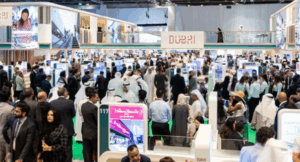
      Dubai – As tourism destinations in the Gulf Cooperation Council (GCC) continue to grow, involving local communities in destination development has become increasingly vital for long-term success.

      Abu Dhabi’s Tourism Strategy 2030 aims for 39.3 million visitors per year, while Saudi Arabia’s Vision 2030 targets 150 million domestic and international visits, emphasising how tourism is being established as a key element of economic diversification throughout the region.

      At Arabian Travel Market (ATM) 2025, industry leaders emphasised that sustainable revitalisation of destinations must align tourism investments with community partnerships, cultural authenticity, and immersive guest experiences to provide lasting value for both residents and visitors.

      During the session on “Considerations and Implications of Involving Communities in Destination Revitalisation” on the ATM 2025 Global Stage, experts shared insights into building resilience, enhancing local prosperity, and ensuring tourism growth is both inclusive and enduring.

      Arabian Travel Market 2025, held under the theme “Global Travel: Developing Tomorrow’s Tourism Through Enhanced Connectivity”,  featured more than 200 speakers across three content stages and welcomes over 55,000 travel professionals from 166 countries.

      Messe Berlin India launched 

      to drive growth of ITB India 

      Messe Berlin announces the official launch of Messe Berlin India, a newly incorporated subsidiary that underscores the company’s long-term commitment to one of Asia’s fastest-growing markets. Headquartered in Delhi , the new entity will serve as a strategic base for expanding ITB India and launching future projects tailored to the Indian market. With this establishment, Messe Berlin is reinforcing its vision of India as a regional hub for innovation, collaboration, and sustainable business growth within the exhibition and events industry.

      “Messe Berlin’s presence in India reflects our strategic intent to strengthen our international reach by being where the growth is. India is a key market for us — vibrant, diverse, and full of opportunities. With Messe Berlin India, we are laying down long-term foundations to build strong partnerships, support local industries, and elevate our global platforms,” said Dr. Mario Tobias, CEO, Messe Berlin.

      ITB India, inaugurated in 2023, continues as the flagship event under the new subsidiary. Held annually, ITB India is a three-day B2B travel trade show and convention that connects the global travel and tourism industry with the Indian market. Alongside MICE Show India, Travel Tech India, and the ITB India Conference, ITB India serves as a unique platform to forge new partnerships, strengthen existing ties, and capitalize on the fast-growing potential of the Indian and South Asian travel economies. The show hosts key players from the MICE, Leisure, Corporate Travel, and Travel Technology sectors. The upcoming edition, ITB India 2025, will take place from 2 – 4 September 2025  in Mumbai.

      FACTS —

      Tourism helps in:

      👉Reducing poverty

      👉Reducing Inequalities

      👉Promoting gender equality

      👉Fostering decent work and economic growth

      World Tourism Day 2021: ‘Tourism for Inclusive Growth’

      In 2019, Travel & Tourism’s direct, indirect and induced impact accounted for:
      -US$8.9 trillion contribution to the world’s GDP
      -10.3% of global GDP
      -330 million jobs, 1 in 10 jobs around the world
      -US$1.7 trillion visitor exports (6.8% of total exports,
      28.3% of global services exports)
      -US$948 billion capital investment (4.3% of total
      investment)

      Tibet Travel : Daily Life of Living under Mount Everest